Most skincare brands talk about the same five oils. We use them too — they are well studied and they perform — but the formulation we are most proud of is built around an oil you may not have heard of. Cacay is a tall tree native to the Amazon basin. Its seed yields an oil that is, by most laboratory measures, exceptional: roughly 50% more vitamin E than argan, twice the linoleic acid, and a high concentration of natural retinol — the form of vitamin A that does the slow work of resurfacing skin without irritation.
Why we use it
Hand and body skin take a great deal of weather. Hot water, cold air, soap, sun, repetition. We wanted an oil that would do three things at once: rebuild the lipid barrier, deliver enough vitamin A to support cell turnover, and absorb without leaving the residue that makes people stop using a hand cream by lunchtime. Cacay does all three. It is also dry-touch — it disappears into the skin within a minute or two, which matters more than people admit when they are choosing what to keep on a desk.
“It is not the headline ingredient. It is the one doing the work.”
Where it comes from
Our cacay oil is sourced from cooperatives in Colombia and Ecuador that work with smallholder farmers in the Amazon basin. The trees are not cleared for the harvest — they fruit annually, and the seeds are gathered from the forest floor. This is one of the reasons cacay has, in the last decade, become a quiet model of how a single ingredient can support both reforestation and rural income. We pay the cooperative price.
Where it appears in Plainly
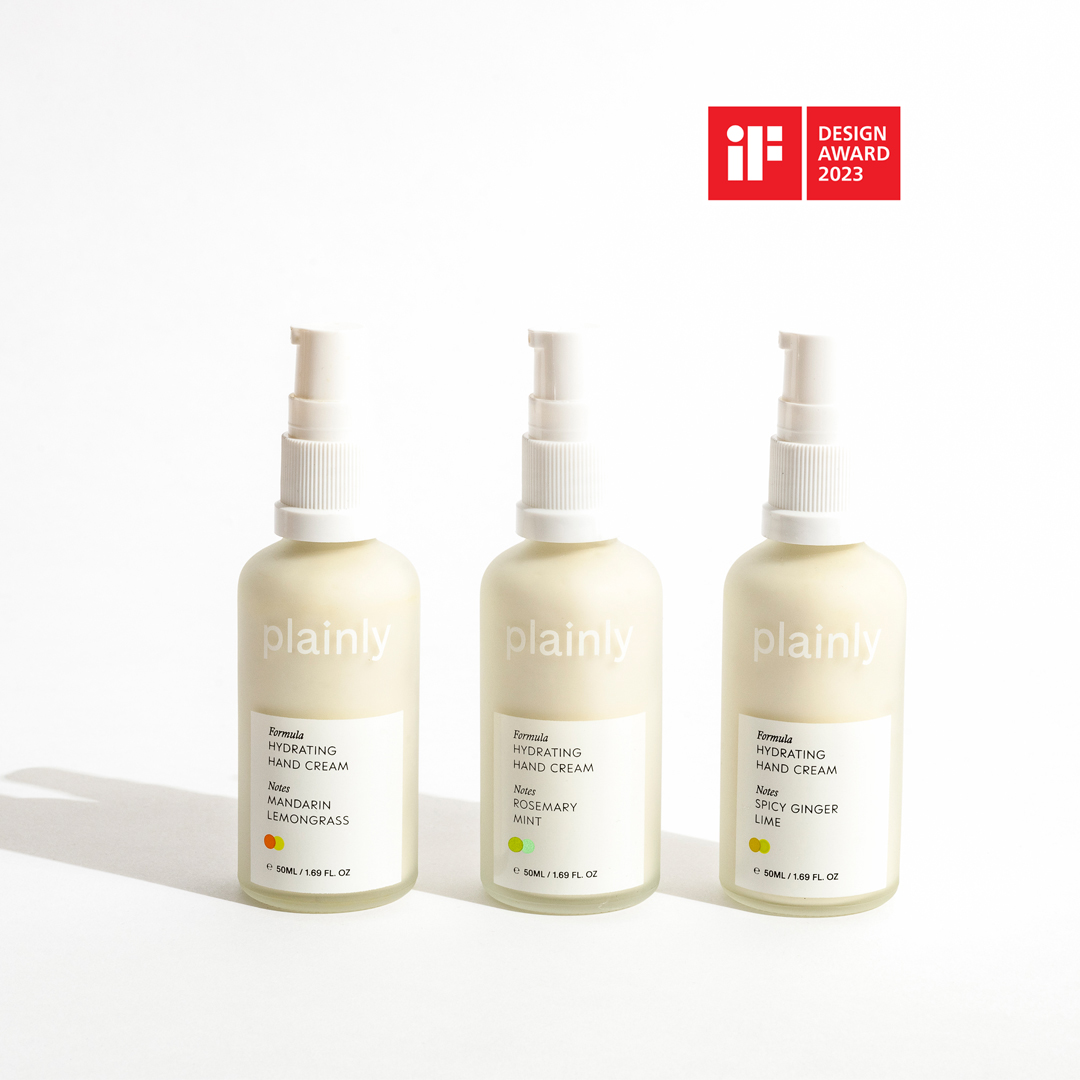
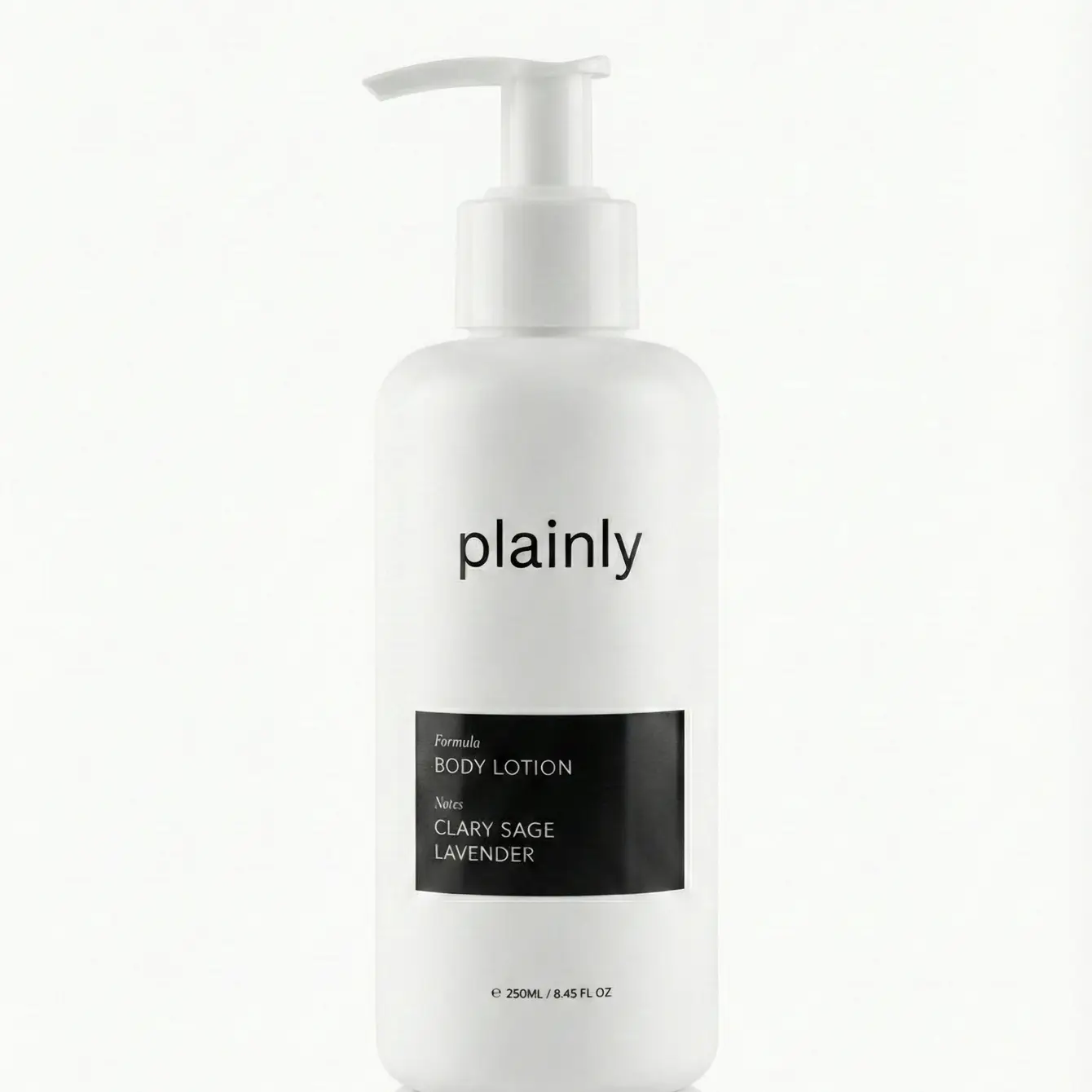
You will find cacay oil in every hand cream we make and in the new Body Lotion. It is not on the front of the bottle. We prefer to lead with the scent, because that is what you experience first — but if you turn the bottle, you will see it sitting near the top of the ingredients list, doing the slow work that good ingredients do.