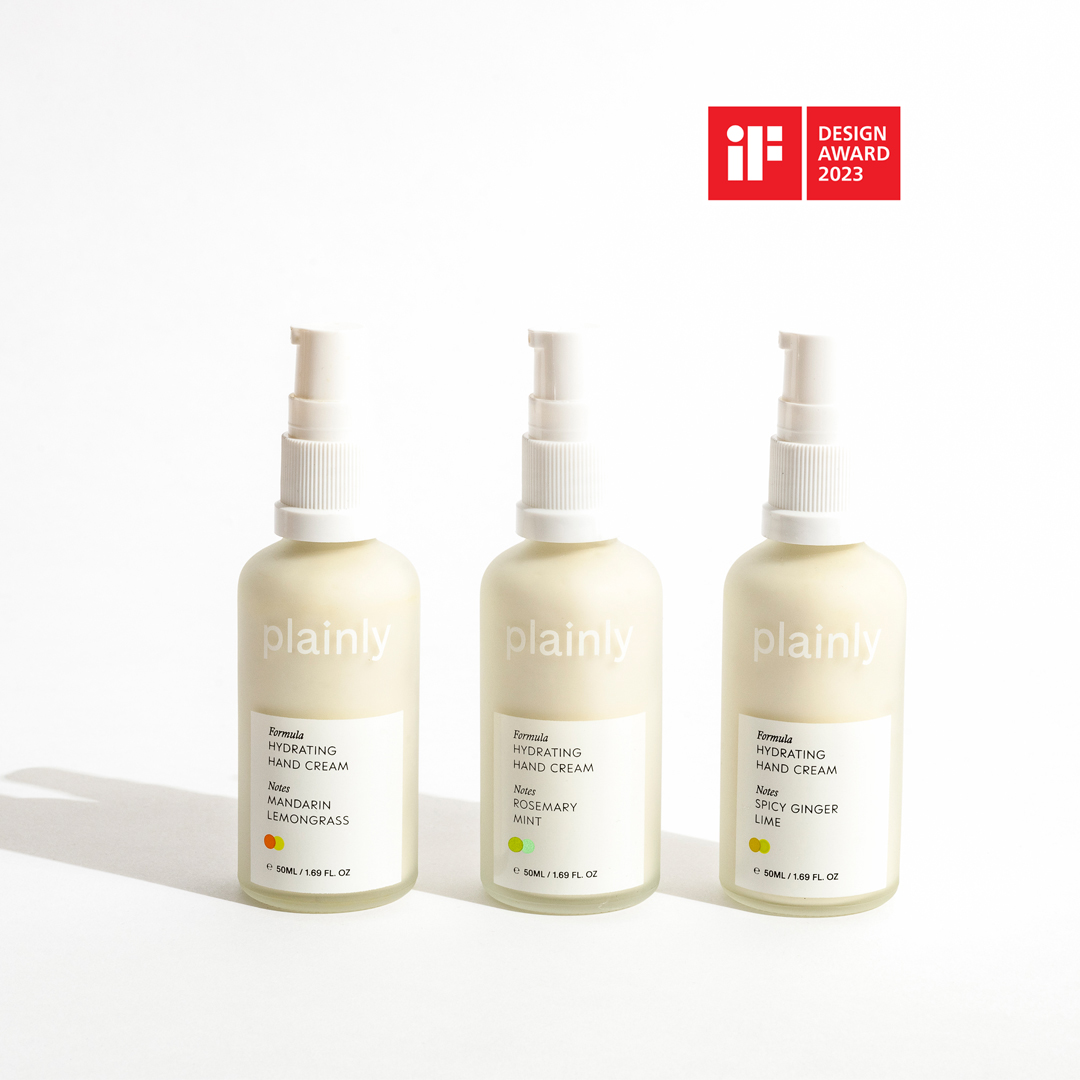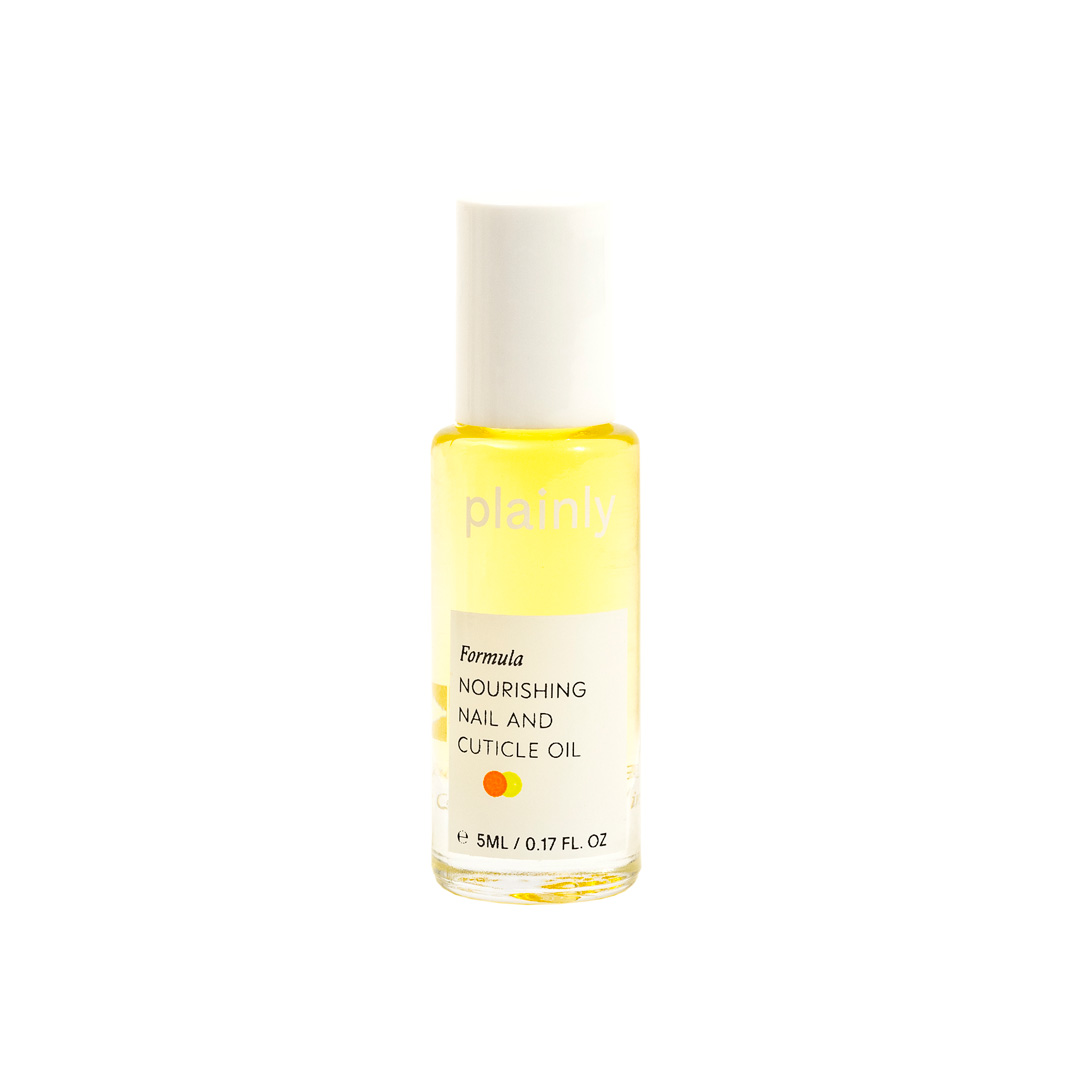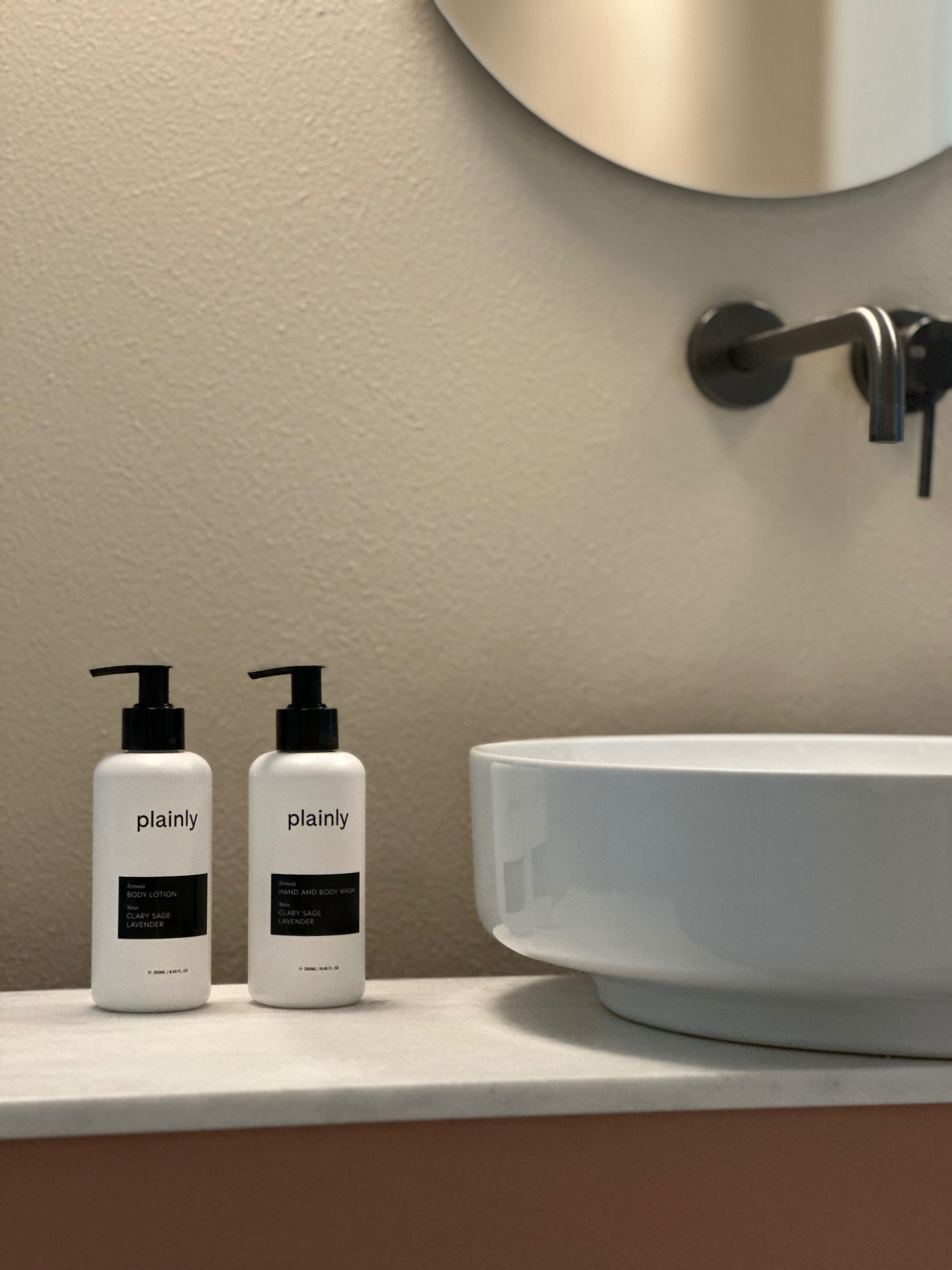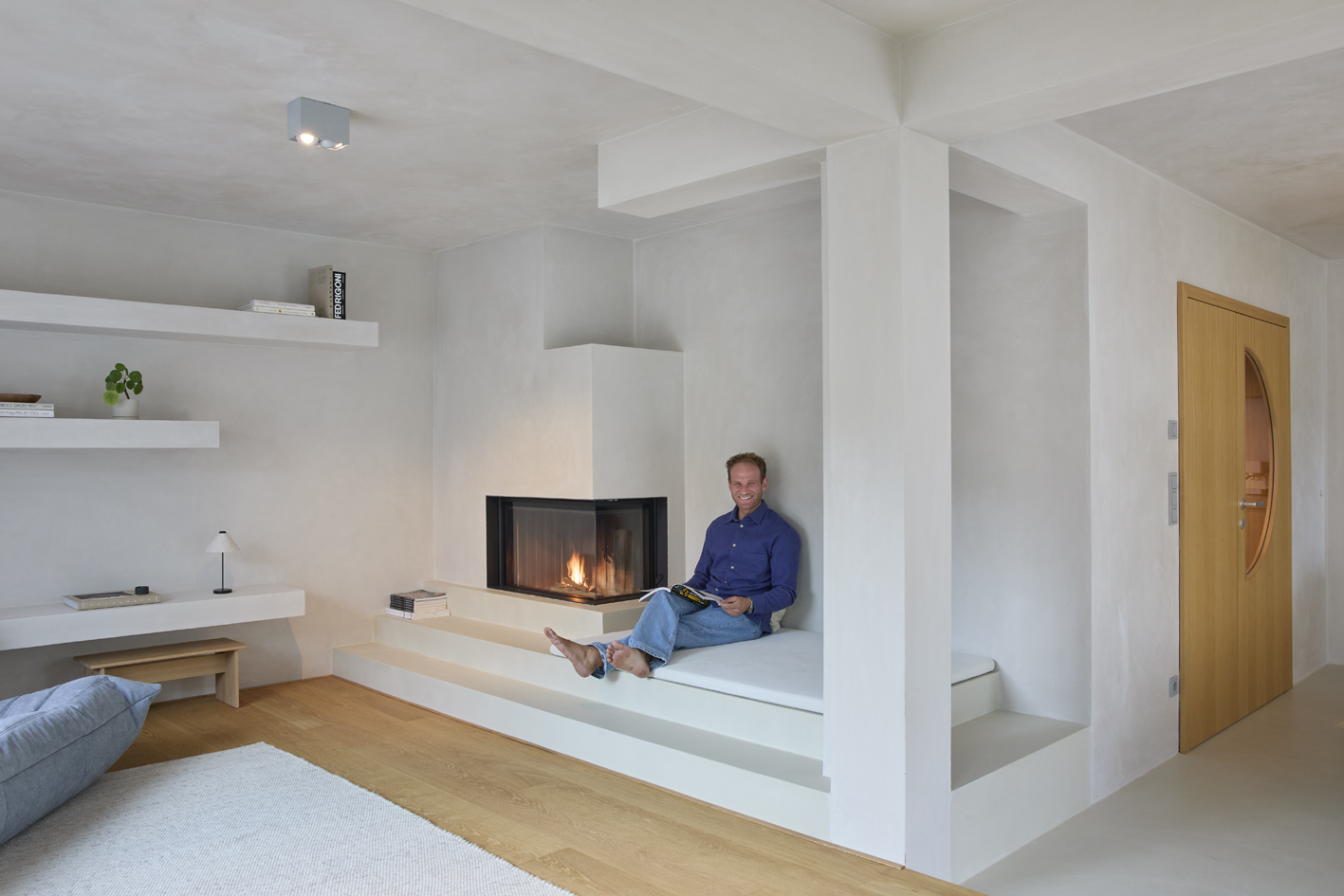
Plainly began with a frustration and a habit — a long-held interest in design and aesthetics, and a habit of looking closely at the everyday objects most brands stop short of. This is a condensed conversation with founder Artsem Kruk on how the brand started, why hands, and what “plain luxury” actually means in a Munich laboratory.
On the beginning
Where does Plainly start, honestly?
With travel, and with looking at shelves. I’ve always been drawn to design and to small, well-made things. And I’ve always cared about how things are made — craft, quality, things built to last — and you rarely get all of that in one product. Across markets the same pattern kept repeating: beautifully designed products that didn’t hold up on the ingredient list, and clean formulations with no real design behind them. Hand care, especially, felt overlooked — the largest cosmetics category by turnover in Germany, and one of the least considered.
Was there a single moment when the idea condensed?
It took a pandemic to condense the idea into a single overlooked category — the hands. Suddenly everyone was washing their hands constantly. The skin showed it. And the products people were using were either pharmacy-clinical or supermarket-generic. Nothing sat in between with real ingredients and real design.
On building it
What did the first 18 months actually look like?
Quiet, slow, and absorbing — in every sense. We were stubborn on the vision — we refused to choose between design and ingredients, and insisting on both is what made everything slow. The right manufacturers took a long time to find. The formula took longer: every Plainly product is one to two years of work with German cosmetics laboratories. We wanted a hand cream that absorbs the moment it touches the skin and still pumps cleanly through a glass bottle — neither is a given, and getting both took real patience. We reformulated the nail oil around a roller, because the standard applicators all assumed you were sitting at a vanity. Small decisions like that, repeated across the line.
“Your hands tell your life story. They’re the most important tool we have — and yet we barely care for them. We wanted to reinvent that, with the most superior ingredients and a design worth keeping on the shelf.”
And the design language?
We worked with Winkreative — Monocle’s sister agency — on the identity and packaging, which went on to win the iF Design Award. Sand-blasted glass, screen-printed rather than labelled, Gmund paper made an hour from Munich, quiet Bavarian references on the boxes. The brief was: nothing loud, nothing you’d want to hide in a cupboard.
On where it sits today
Where can people find Plainly now?
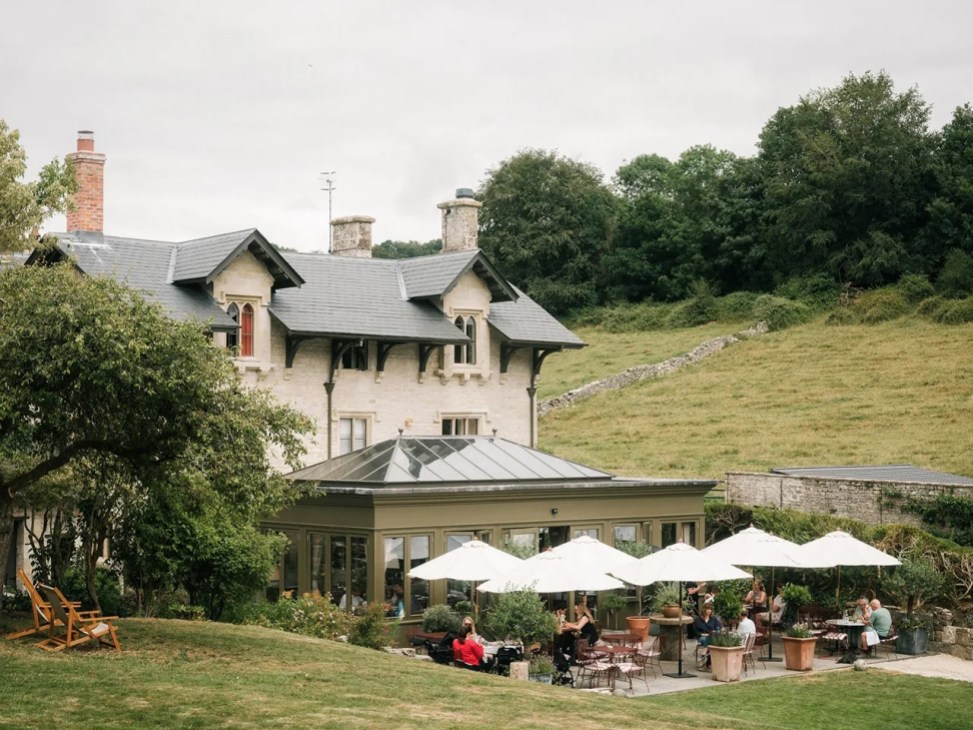
On shelves chosen with the same care as the products: Ludwig Beck in Munich, Andreas Murkudis in Berlin, and the Monocle Shops from London and Zürich to Tokyo and Hong Kong — plus a growing roster of design-led retailers across Europe. In parallel we run a hospitality program — custom amenity lines made in Germany for design-led hotels, cafes, restaurants.
What does “plain luxury” mean to you?
The name says most of it. “Plainly” is about a natural kind of beauty — organic, a little imperfect, intimate, simple. We strip away the excess and keep exactly what’s needed: nothing more, nothing less. So plain luxury, for us, is transforming hand care into moments of plain luxury. And personally? Luxury isn’t gold foil or volume. It’s time. Being present with my family, having a moment to unwind. That’s the feeling we want a Plainly product to give back to someone.