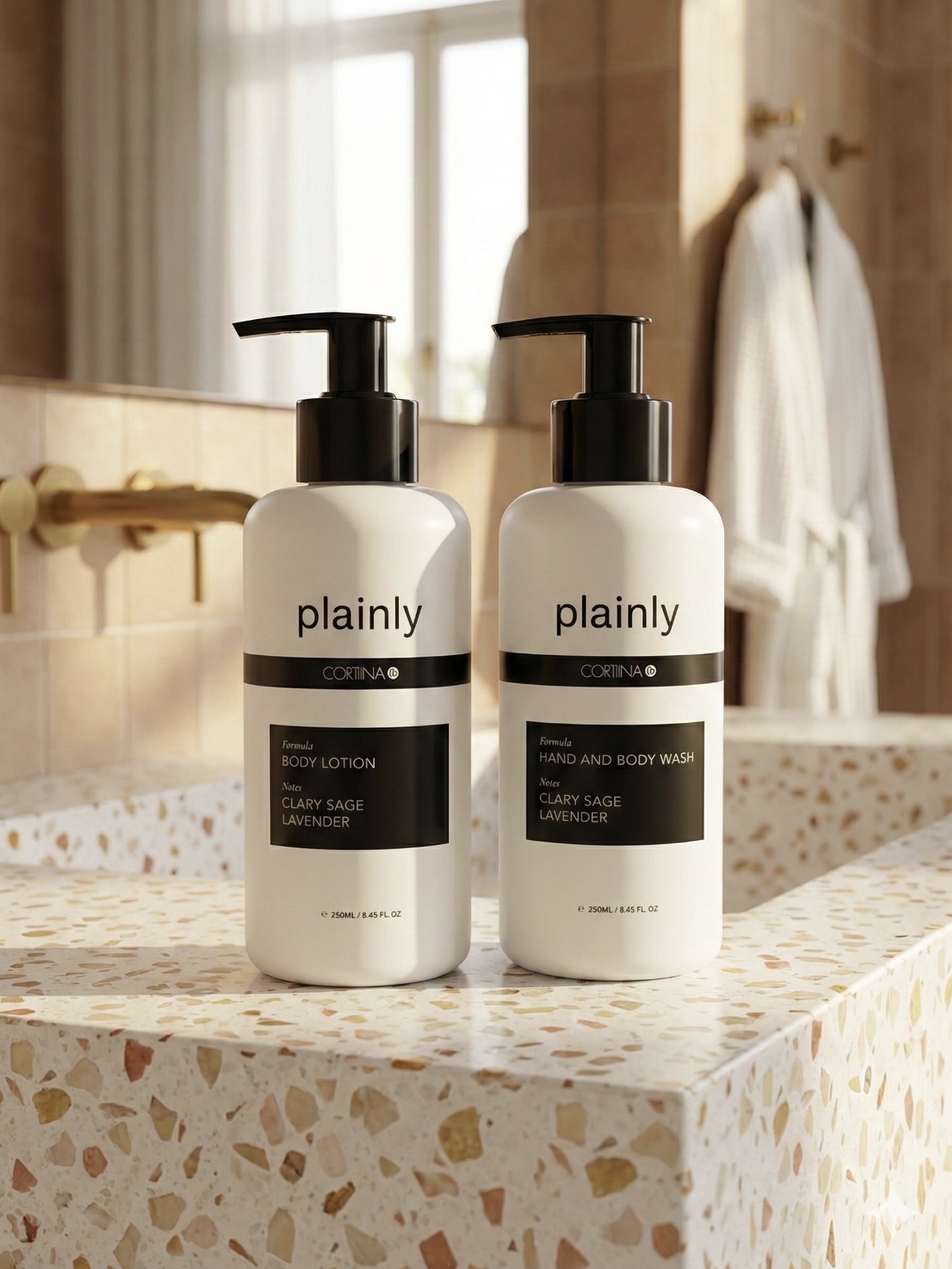
Boutique hotels invest seriously in the things guests are meant to notice. The architect is chosen with care. So is the interior designer, the lighting, the linen, the bread at breakfast. The conversation about what sits on the basin in the bathroom is often handed to procurement and settled by whoever sends a catalogue first. The room the architect drew is finished by a decision nobody senior was part of.
We have spent the last decade staying in hotels, privately and professionally, and have come to think this small step deserves more attention than it usually receives. The architecture is considered. The amenity, often, is not. Hands feel dry after the hand wash. Hair tangles after the shampoo. The lotion sits on the skin rather than absorbing. The scent is the same generic note already met in three other hotels that month. None of it is dramatic. All of it is felt.
Where the decision gets lost
The amenity decision sits between design, operations, facilities and procurement, and is rarely owned by any of them. Procurement, reasonably, looks at unit cost. Facilities, reasonably, looks at refill logistics and replacement. The result, sometimes, is a bathroom that quietly contradicts the room it is in.
Guests don’t separate their stay into departments. The check-in, the corridor, the bed, the scent in the bathroom and the texture of the soap arrive as one continuous impression. When one note is off, the rest of the work is undone a little.
Four things worth getting right
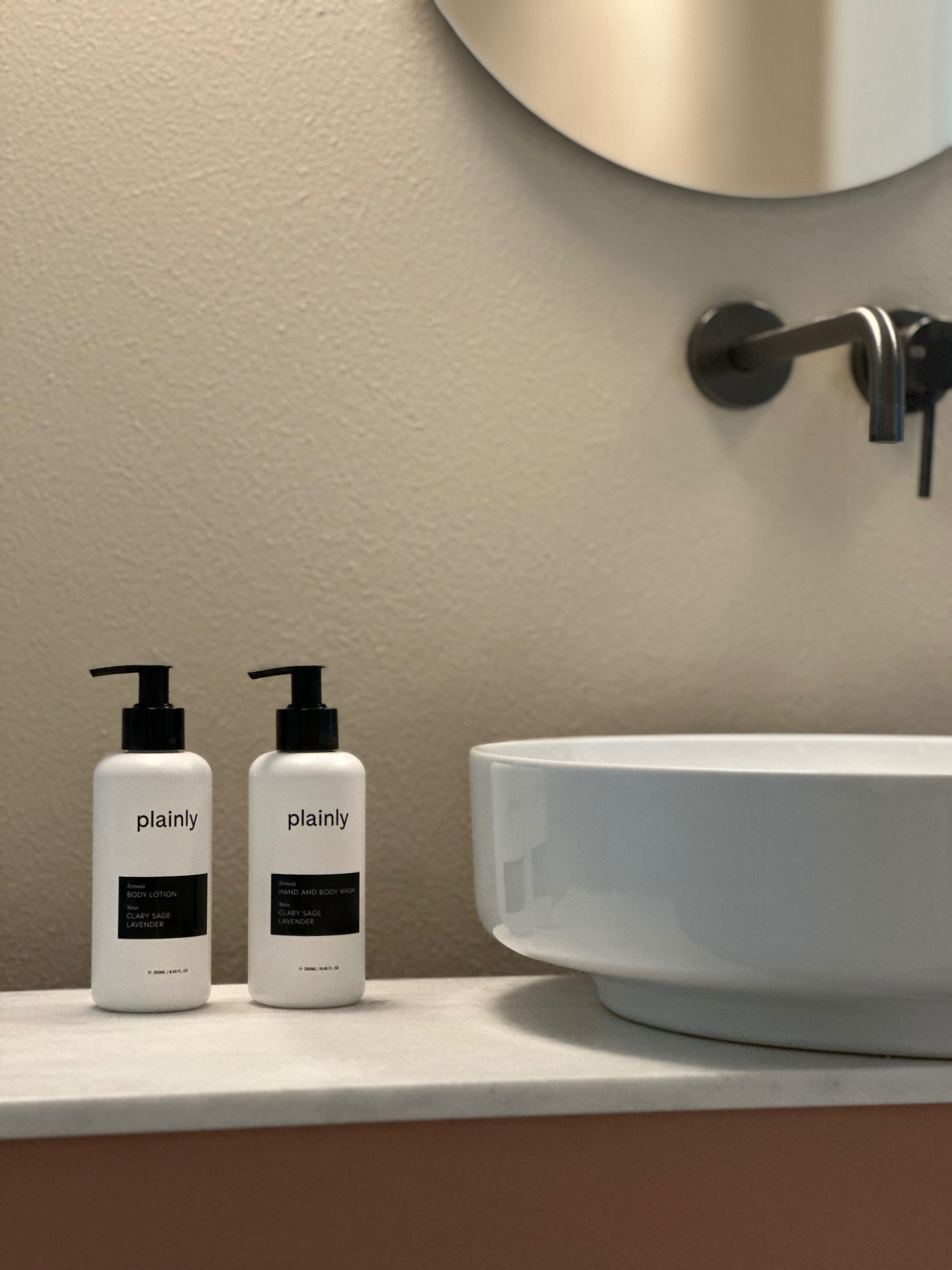
Treat the amenity as part of the design brief. The bottle on the basin belongs in the same conversation as the tap, the mirror and the towel. When the design lead is in the room as it is chosen, the choice tends to hold.
Judge the formulation on the hand, not on the label. Wash with the sample, twice, and wait ten minutes. If the skin feels stripped, the guest will feel it too. They simply won’t have the words for it.
Choose one scent, and let it carry the property. Guests remember a scent long after they have forgotten the photographs. Four products in four fragrances read as a sample tray. Four products in one scent read as a property that has decided.
Choose for the long run, not for the opening. It’s tempting to choose for the unboxing and the opening shoot. The amenity that ages well is the one whose refills arrive on time in month seven, whose damaged bottles are replaced without a second email, and whose supplier picks up the phone when housekeeping calls.
What belongs on the basin
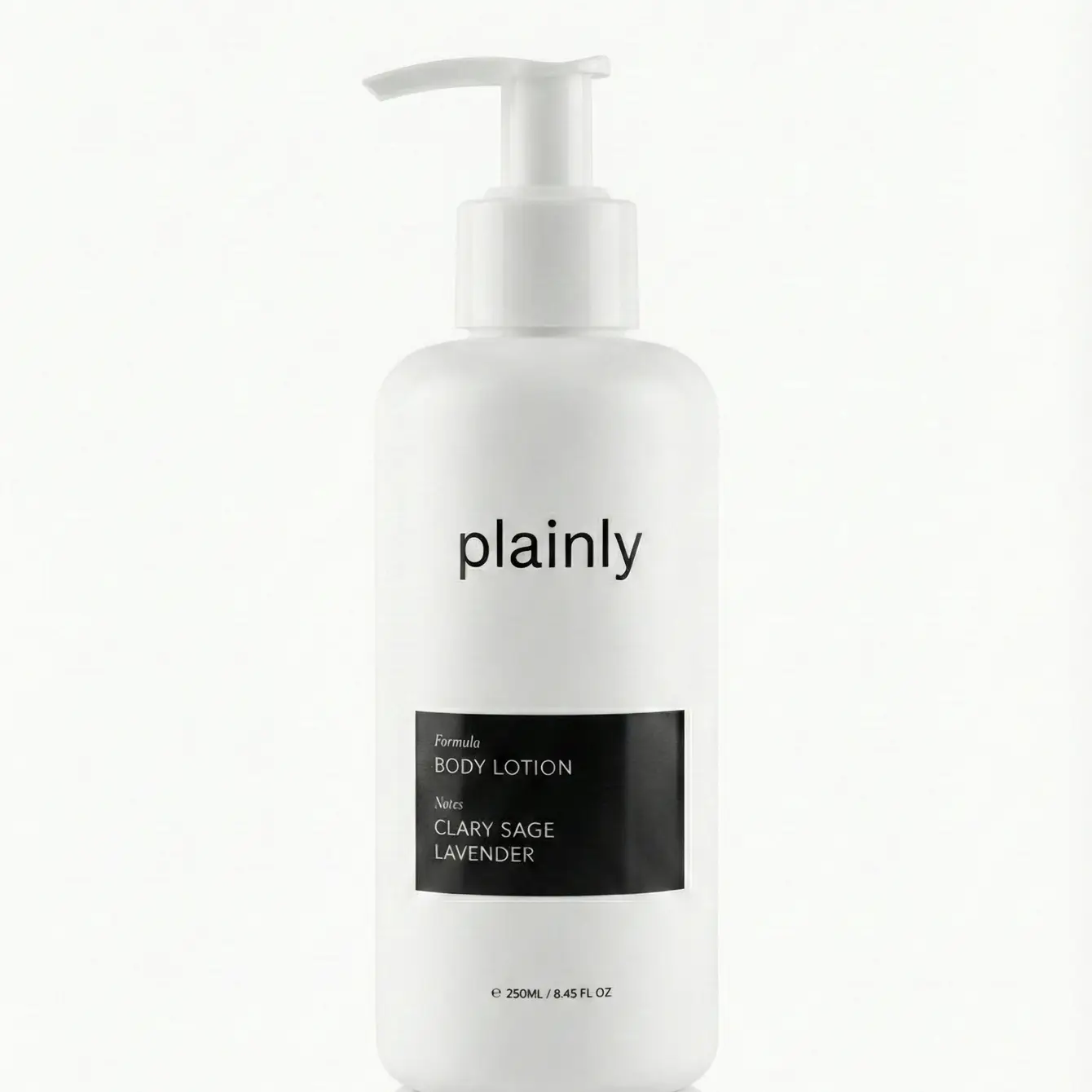
Four products is a comfortable working number: a hand and body wash, a dedicated shampoo, a conditioner, a body lotion. Hair kept separate from body. A small jar of bath salts where the room invites it. Anything beyond that tends to belong in the spa.
Refillable is, in our view, the only serious format now. Single-use minis are increasingly read as careless, and EU packaging rules will phase them out of hotels before the decade is out. The bottle itself should be quiet, balanced in the hand, and consistent with the room.
Then look past the bottle. A considered exterior with the cheapest formulation inside is harder on the guest than an honestly plain one. They feel the contradiction even when they can’t name it. Look for sulfate-free cleansers, no silicones, parabens or synthetic dyes, and softness that comes from real botanical oils rather than mineral oil and fillers.
In practice
The shift is small. Move the amenity from the procurement spreadsheet onto the design schedule. Brief it in the language of texture, scent and finish, alongside the operational language of MOQ and lead time. Sample it on your own skin before sign-off. Commit to one scent across the room. Choose a supplier who can answer questions about formulation, fill site and breakage policy in the first email rather than the third.
The bathroom then agrees with the room. The guest may not be able to say why, and that, quietly, is the point.
Where Plainly fits
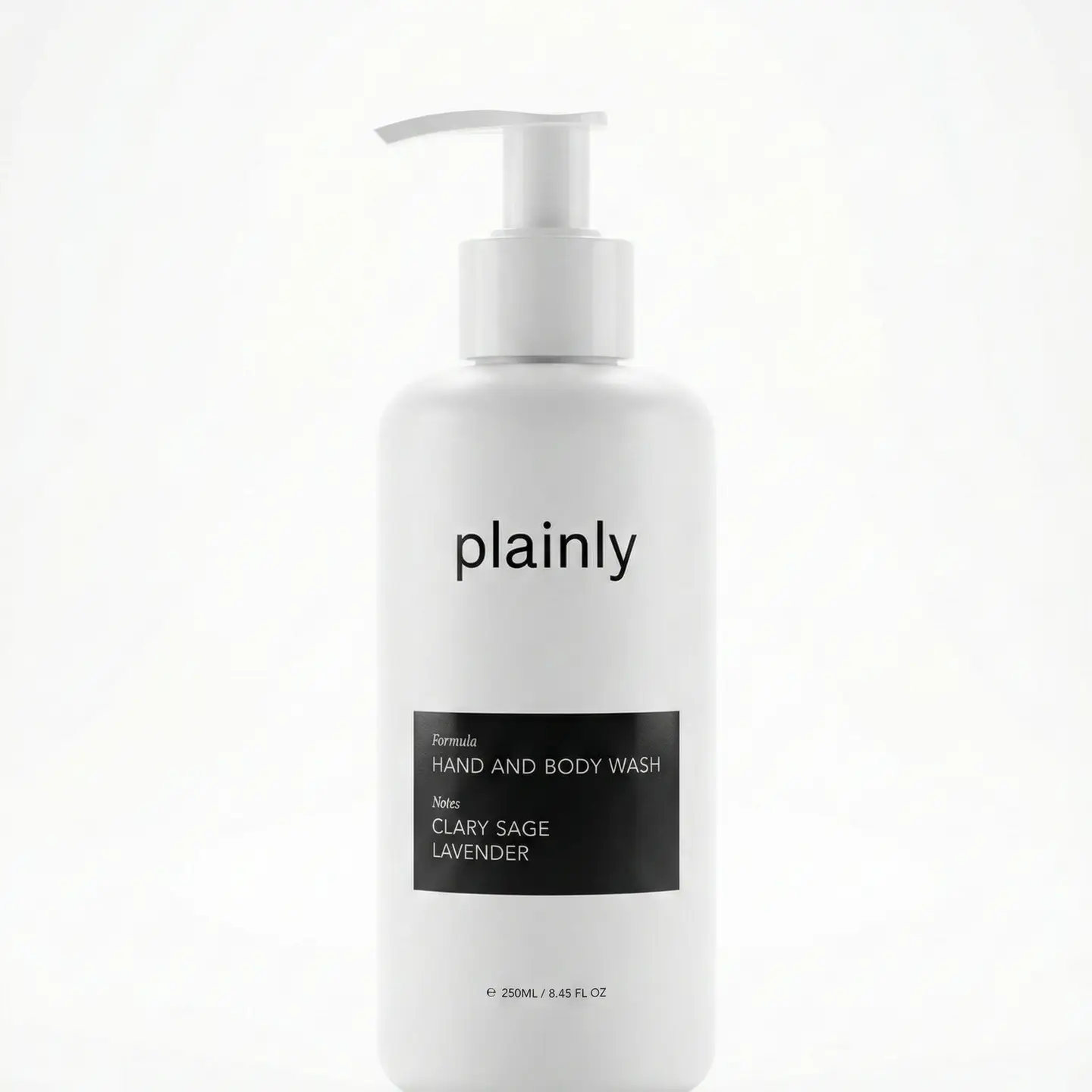
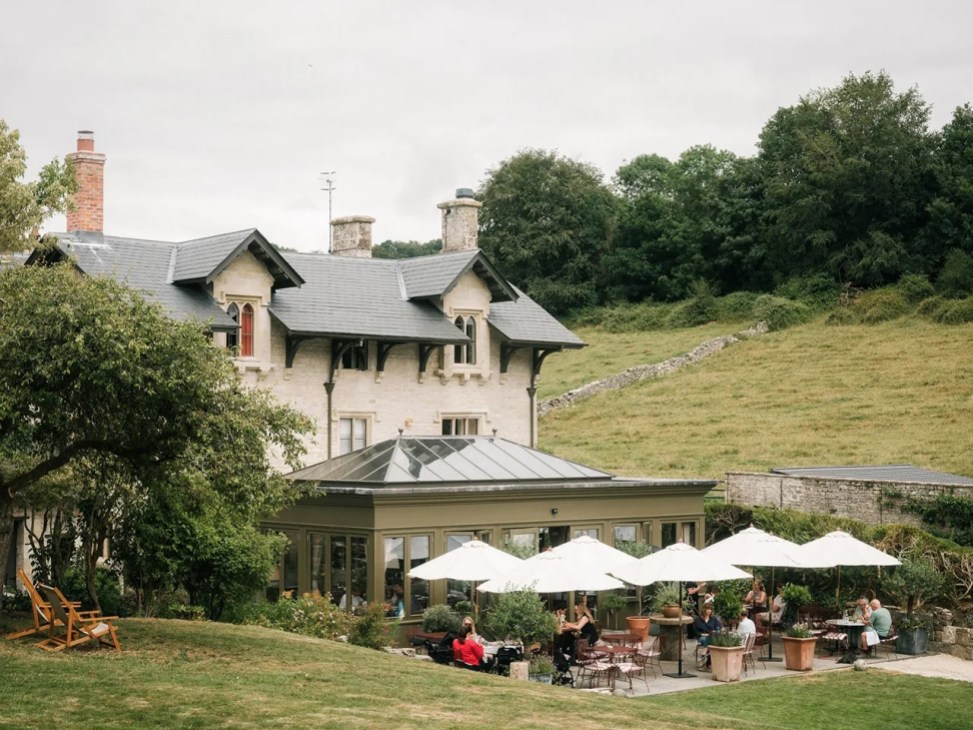
Plainly is a Munich hand and body care house, considered inside and out. Made in Germany in small batches, with ingredients more usually reserved for luxury beauty. We work with boutique and design hotels across German-speaking Europe on refillable amenity lines, and develop private scents for a small number of long-term partners, including Cortiina Hotel in Munich, where the in-room line is ours.
Sample sets sent to qualified properties on request.