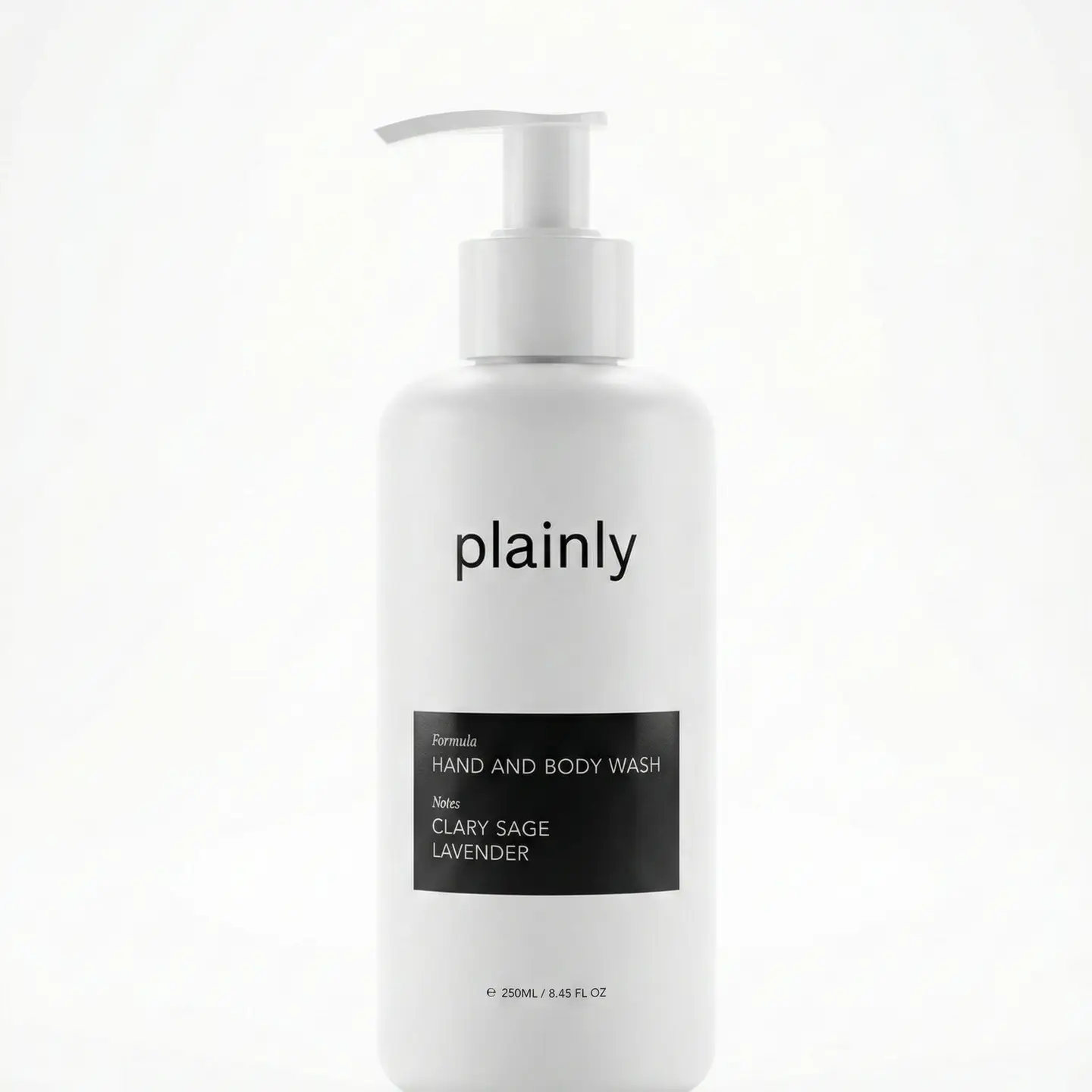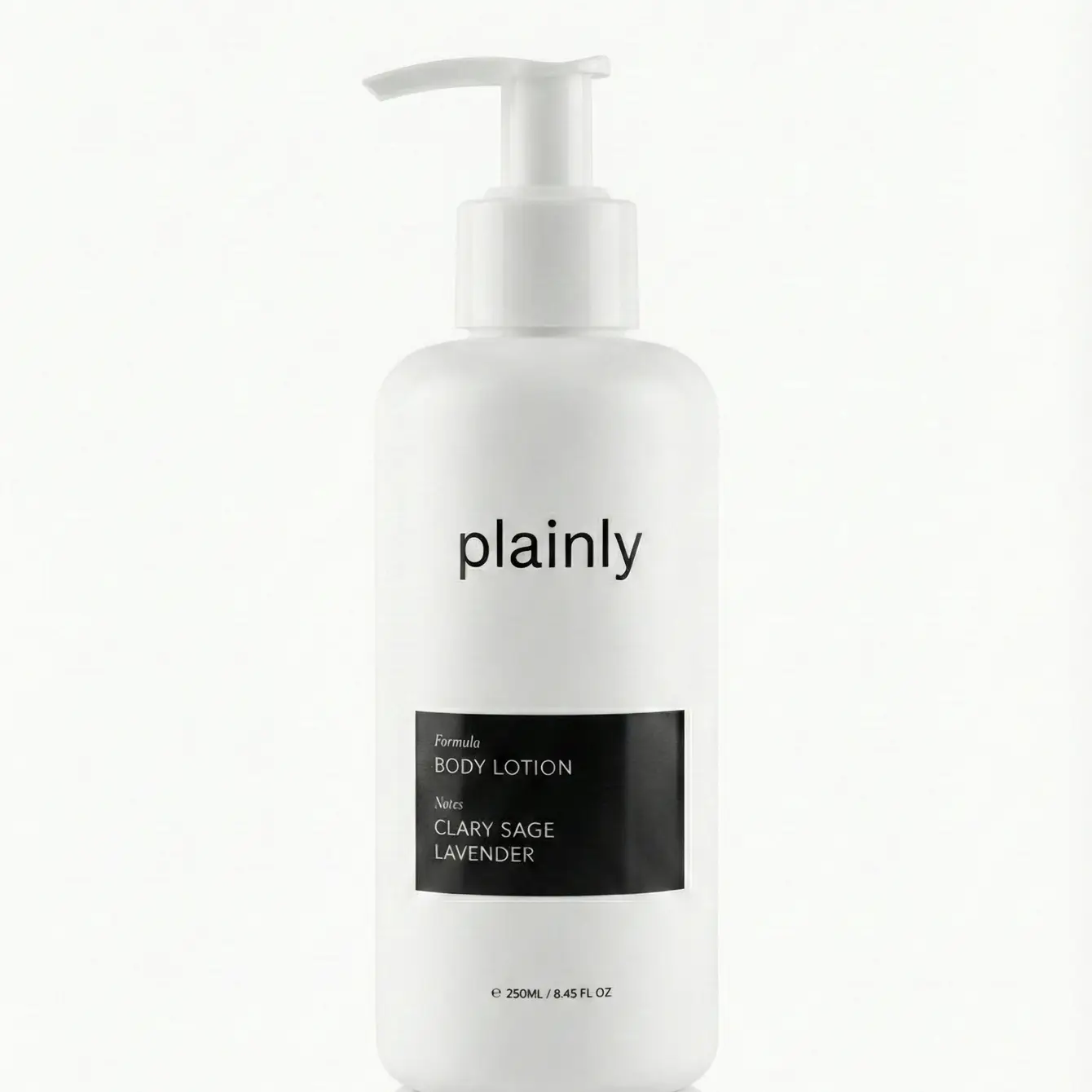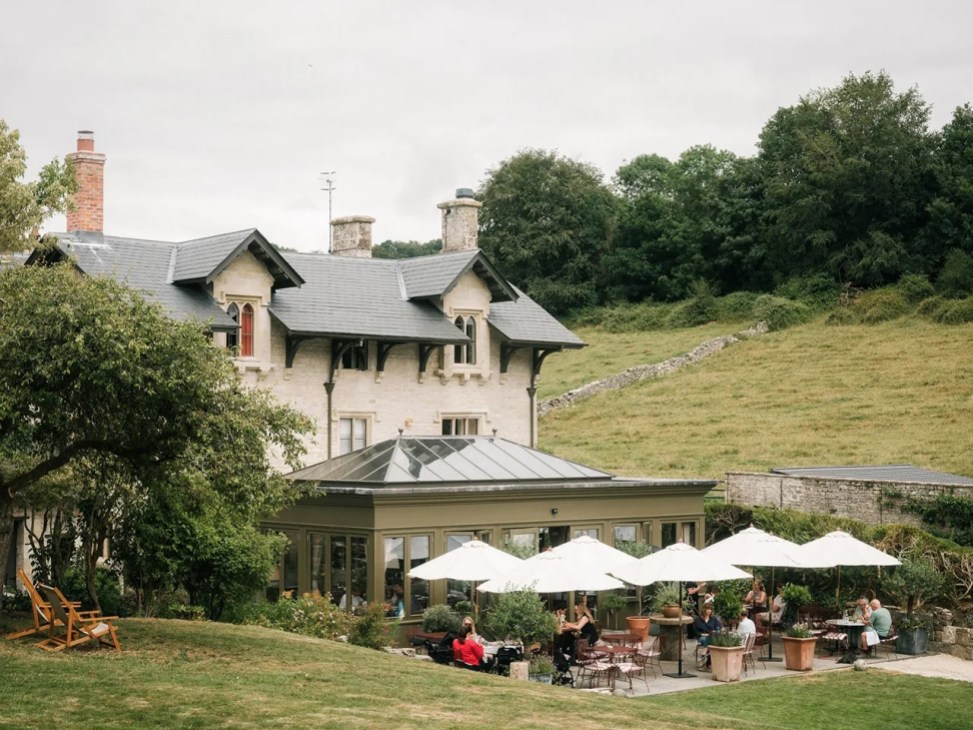
In a recent column, Andrew Tuck — editorial director of Monocle — described a habit many travellers will recognise: the plate flip. The quiet turn of a dish to read its maker, the check of where the wine is from, the glance at the towel label. His point was that hotels now talk a great deal about authenticity and a sense of place, but guests are increasingly willing to verify the claim. The plate flippers will catch them out.
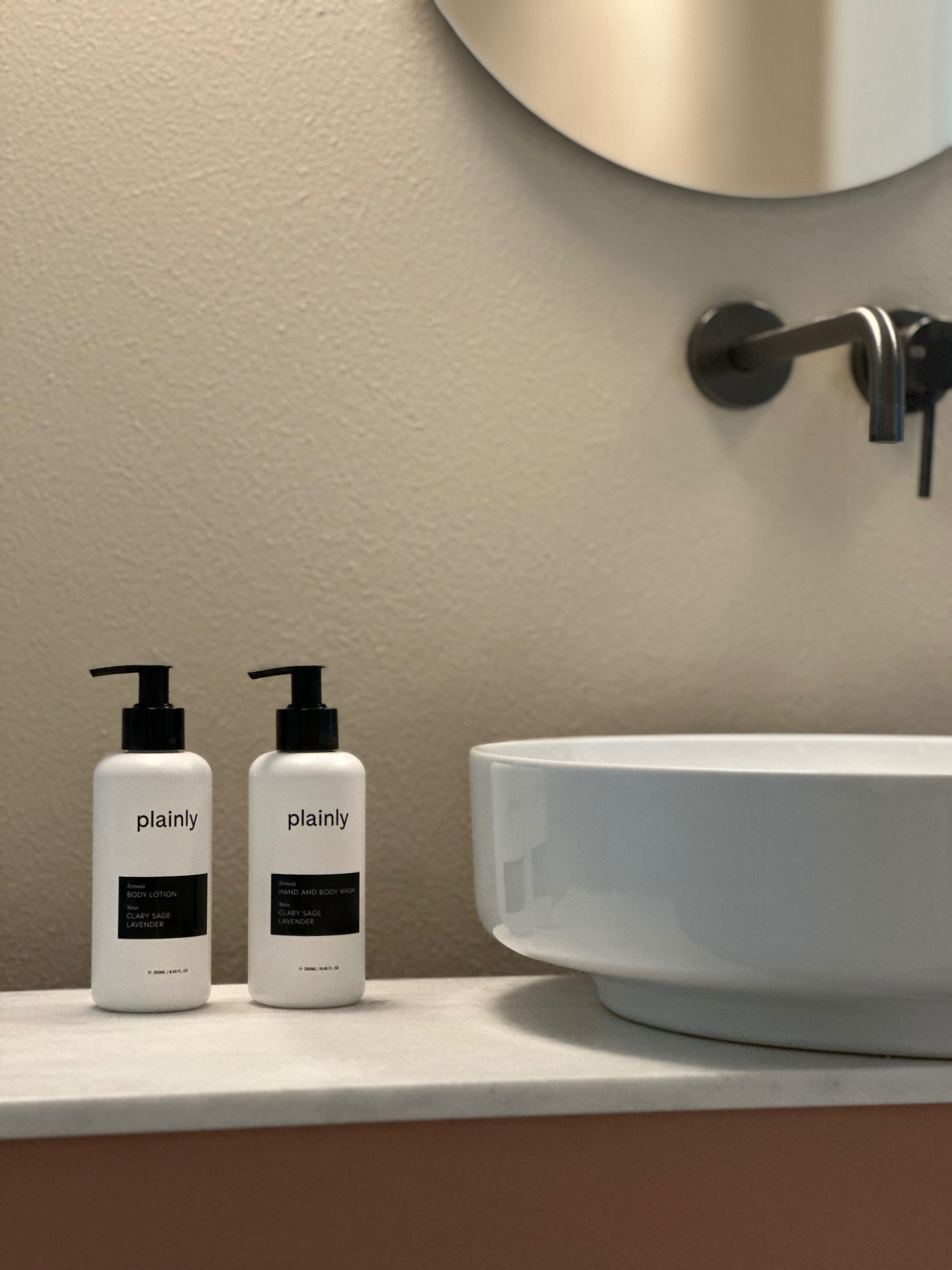
The column is a useful reminder for anyone who specifies hotels. Every detail in a room is a piece of evidence. The architecture, the furniture, the art, the glassware, the ceramics — all of it must agree, or the story weakens. And there is one detail that is handled, read, and used every single morning: the bottle on the basin.
The basin is part of the room
It is easy to think of the bathroom as separate from the design conversation. The bed, the lighting, the corridor and the breakfast room receive the long meetings. The amenity is often a procurement decision, made late, by the spreadsheet. But the guest does not experience the room in departments. They walk in, set down a bag, wash their hands, and pick up the bottle. If that bottle is anonymous, the room quietly contradicts itself.
A hotel can commission local makers, fill the walls with regional artists, and source a wine list from the valley, then finish the bathroom with the same white-label bottles used by a chain three countries away. The guest may not name the mismatch, but they will feel it. The most intimate products in the room — the ones that go on and into the skin — should carry the same intention as everything else.
What an honest amenity looks like
For us, that means a few simple things. It means the bottle is designed with the same restraint as the rest of the interior. It means the shampoo is a shampoo, not a combined hair-and-body wash, because hair and skin are different. It means the formulation is made to the same standard as a face-care product, not a contract commodity. And it means the products are made where they say they are made, in a place the hotel can point to.
It also means the system is practical. Refillable bottles, with back-of-house canisters, keep the bathroom clean and the operations simple. The guest sees a quiet object; the housekeeper sees a process that works. Both are part of the design.
A case in point
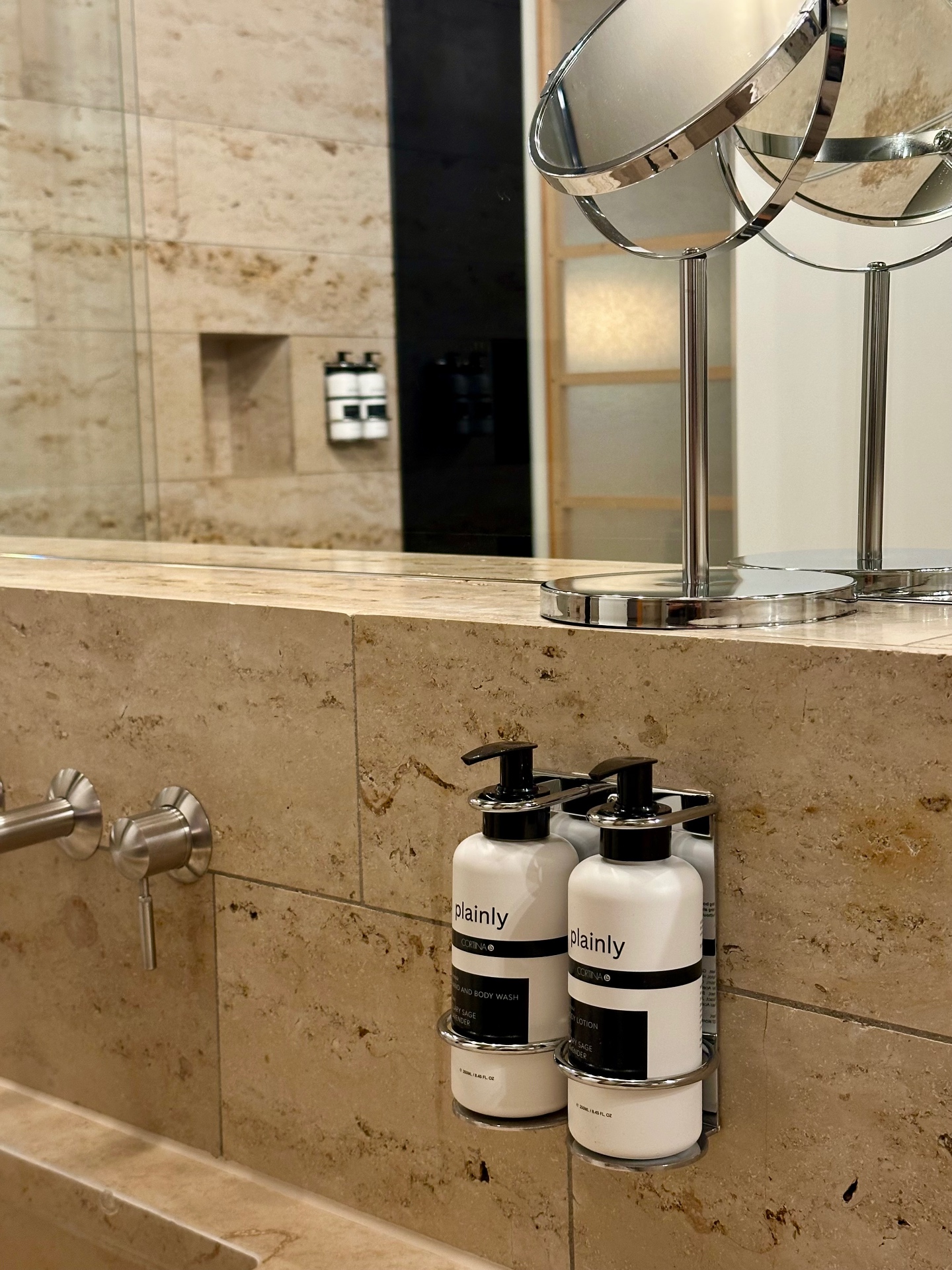
At Cortiina Hotel in Munich, the amenity line is not an afterthought. It is a private scent, developed for the property, in refillable bottles that sit naturally in the room. The guest does not need to know the full story to feel it. They only need to wash their hands and notice that the object matches the stone, the light, and the calm of the space around it.
Tuck's warning is that the easy path — central buying, fast-turnaround suppliers, the same catalogue sent to every property — will eventually show. The hotels that do the slow work, that commission local makers and ignore the shortcut, are the ones that withstand scrutiny. We believe the bathroom is one of those places where the slow work shows. The bottle is small, but it is read every day.